
Image of a field with sides of vision blacked out indicating peripheral vision problems

Preventing Falls When You Have Peripheral Vision Problems

Peripheral vision is something most people don’t think about—until you no longer have it. Peripheral vision allows us to detect motion and obstacles outside of the line of sight without turning our heads. When this ability becomes limited, whether due to disease or injury, navigating the world becomes more challenging, and the risk of trips and falls increases. In this article, we look at the role peripheral vision plays in our sight and discuss strategies and aids to cope with peripheral vision problems and move more safely.

What Is Peripheral Vision?

Peripheral vision, also known as side vision, allows you to see objects and movement that are not in your direct line of sight. Also referred to as “tunnel vision,” this visual impairment is often compared to looking through a cardboard tube—you can see in front of you, but not out to the sides.

Peripheral vision plays a key role in helping you move through the world every day, allowing you to notice—and avoid—hazards like steps, uneven surfaces, furniture, pets, and other people.

What Causes Peripheral Vision Loss?

Peripheral vision problems can occur for a variety of reasons. Some common causes include glaucoma, stroke or brain injury, retinitis pigmentosa and other retinal disease, optic nerve disease, and certain neurologic conditions. Depending on the cause, side vision loss can happen suddenly, or it may be a gradual loss.

How Can Lack of Peripheral Vision Affect Mobility?

When side vision is limited, getting around can be challenging. You might find yourself bumping into door frames, misjudging the stairs, or running into people in crowds, all of which increase the likelihood of losing your balance. While avoiding unfamiliar situations may seem like a way to stay safe, this can end up leading to unintended effects of decreased confidence and social isolation over time.

How Can You Make Your Home Safer with Peripheral Vision Loss?

Most people don’t realize just how much they rely on peripheral vision until it starts to change. Fortunately, a little preparation can go a long way. There are many simple adjustments to your environment and daily habits that can make a big difference in your confidence and safety level.

The home is a good place to start, and here are some easy changes you can make:

  • Lighting: Improve lighting in hallways, stairways, bathrooms, and entryways. Small thresholds entering a home or between rooms can be a significant fall risk.
  • High-Contrast Taping: Consider adding brightly colored tape to mark steps, door frames, and furniture.
  • Remove Hazards: Eliminate tripping hazards such as loose rugs, electrical cords, and other clutter on the floor.
  • Pathway Security: Keep walkways clear and furniture in established locations.
  • Pet Location: Put a bell on your pet’s collar, so you always know when they are underfoot.

How Can You Be Safer Outside the Home?

Outdoor environments, particularly unfamiliar locales, are less predictable and increase the chance of a fall. Taking a more mindful approach to how you move can help you stay safer and regain confidence. Consider:

  • Using handrails when they are available
  • Pausing before stepping down off curbs or going down stairs to orient yourself
  • Allowing extra time to move through crowds
  • Walking with a companion, when possible
  • Staying aware of changes in walking surfaces, such as from sidewalk to grass or gravel
  • Wearing footwear with good traction

Are There Behavioral Modifications that Can Increase Safety?

In addition to changes in your environment, there are behavioral modifications you can make to improve safety. Consider:

  • Scanning Techniques: To make up for lost peripheral vision, teach yourself to turn your head frequently, side to side and up to down.
  • Mobility Aids: A cane can help to detect obstacles in your path, particularly in unfamiliar locations.
  • Regular Eye Exams: Stay current on your eye exams to monitor for changes.

What Low Vision Aids Can Help?

For some, lifestyle modifications may not be enough. In these cases, low vision care can play an important role in improving safety and day-to-day functioning.

Examples of devices and glasses that can help our patients include:

Depending on the cause and pattern of vision loss, some patients also benefit from orientation and mobility training, contrast enhancement, selective lighting adjustments, filters, or other low vision tools.

A low vision evaluation with Midwest Low Vision can help identify the specific challenges peripheral vision loss is creating and determine which strategies and devices may be most effective in reducing fall risk and improving confidence with mobility.

Conclusion

If you deal with peripheral vision loss, or have concerns about mobility due to vision challenges, we may be able to help. The first step is to talk with your optometrist or consult a low vision doctor near you. If you are in the Bloomington, Clarksville, or Evansville, Indiana areas, Midwest Low Vision can help you regain confidence and independence with custom solutions for your vision needs. Give us a call at 877-577-2040 or contact us on our website.
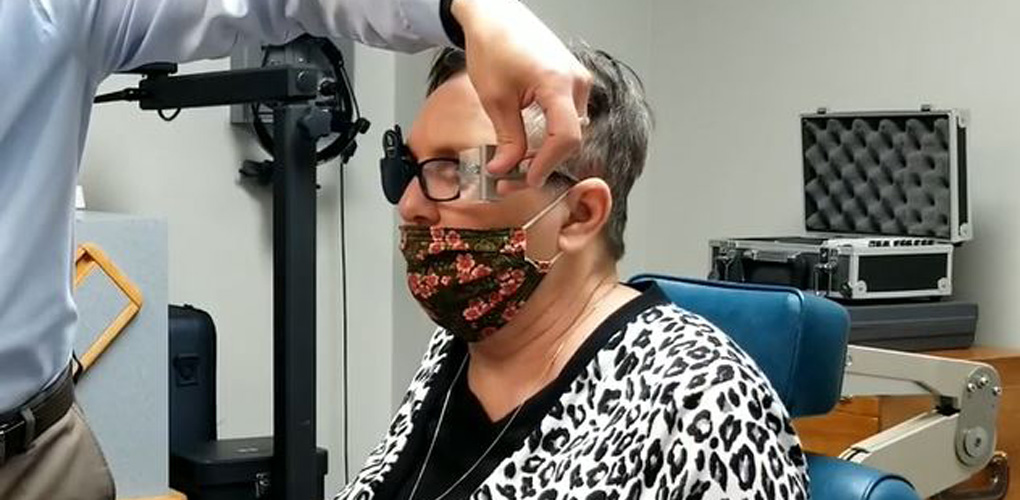
A woman with peripheral vision loss learns more about side vision awareness glasses

Peripheral Vision Loss: How Side Vision Awareness Glasses Can Help

Peripheral vision loss, also known as tunnel vision, occurs when you can only see objects directly in front of you. It is a challenging condition that can affect daily activities like driving or even walking steadily. Fortunately, specialized eyewear called side vision awareness glasses, which I demonstrate in this video called “Side Vision Awareness Glasses for One-Sided Visual Field Loss,” provide a new way to help those affected by peripheral vision loss navigate the world more easily.

Understanding Peripheral Vision Loss

Peripheral vision refers to the ability to see objects outside your direct line of sight—it is what you can see to each side, or up and down, without moving your head. Individuals who lack side vision may describe the experience as seeing the world through a tube or tunnel.

Peripheral vision loss can range in severity. It can affect one or both eyes, and the condition may be temporary or permanent. Some experience what is known as hemianopia, which is the loss of vision in one half of the visual field. Other individuals, such as my patient in the above-mentioned video, may have quadrantopia, or a quarter loss of the visual field. The loss of side vision can, in some instances, be a gradual process, and individuals may not recognize the impairment until it affects their ability to complete daily tasks. In other instances, tunnel vision may happen suddenly as a result of a medical event.

Common Causes of Peripheral Vision Loss

When peripheral vision loss occurs suddenly, it is easier to recognize that there is a problem. When the vision loss happens over a longer period of time, symptoms are easier to overlook at first. It is important to promptly report any changes in vision to your optometrist, as an earlier intervention can promote better management of the issue.

Tunnel vision is not a condition in itself; rather, it is a symptom of an existing medical concern that causes damage in the eye or brain. Common causes of side vision loss include:

  • Glaucoma: This condition increases pressure within the eye, resulting in damage to the optic nerve.
  • Stroke or traumatic brain injury (TBI): Such medical events can damage the parts of the brain that process visual information.
  • Retinitis pigmentosa: Retinitis pigmentosa is a genetic disorder that can gradually lead to tunnel vision.
  • Retinal detachment: A retinal detachment involves the separation of the retina from the back of the eye, causing a disruption in the visual field.

What Are Side Vision Awareness Glasses?

Side vision awareness glasses (SVAGs) are specialized eyewear that improve peripheral vision loss by utilizing prisms or mirrors to shift visual information from the sides into the central line of vision. As I demonstrate in the video, these glasses feature a line down the center of the lens, with the prism on the outer portion of the lens. This prism is like a “side-view mirror” which expands the wearer’s field of view and makes it easier to function in daily life.

Some individuals with peripheral vision loss utilize a Fresnel press-on, or “button-style,” lens to improve the field of vision. While a great option, side vision awareness glasses, in comparison, are considered more effective and user-friendly in that SVAGs provide greater contrast sensitivity, a wider viewing area, and a smoother transition between central vision and the assisted peripheral vision viewing area. My patients who have experienced both alternatives report greater clarity and confidence with the side vision awareness glasses.

How Side Vision Awareness Glasses are Fitted

Side vision awareness glasses are customized to each person’s vision loss needs. The fitting process begins with a comprehensive eye examination, followed by a trial of various lenses to determine the best fit. My “kit” includes Fresnel lenses, prisms “on a stick” in various powers, and even a pair of demo glasses to show patients what the eyewear will look like. After we settle on the best configuration for a patient’s needs, the glasses get custom-made to ensure a comfortable fit and maximum effectiveness. We have regular follow-up appointments to ensure the glasses continue to meet the wearer’s needs.

The Benefits of Side Vision Awareness Glasses in Daily Life

By expanding the field of vision, side vision awareness glasses provide many benefits, including:

  • Increased safety: Using SVAGs allows wearers to be more aware of their surroundings, reducing the risk of bumping into obstacles or other people.
  • Ease with daily tasks: Like my patient in the video, many people find they can return to activities they once enjoyed, but had become unable to do, such as reading, cooking, or using digital devices.
  • Improved awareness: Individuals are able to recognize people approaching from the sides, which makes social interactions more natural and comfortable.

In general, side vision awareness glasses boost confidence and independence, allowing wearers to navigate daily life with greater ease.

Are Side Vision Glasses Right for You?

If you deal with peripheral vision loss due to a stroke, traumatic brain injury, or other medical condition, side vision awareness glasses may be a good choice for you. The first step is to talk with your optometrist or consult a low vision doctor near you. If you are in the Bloomington, Clarksville, or Evansville, Indiana areas, Midwest Low Vision can help you regain confidence and independence with custom solutions for your vision needs. Give us a call at 877-577-2040 or contact us on our website.